7 Football Training Mistakes Beginners Make
Football players improve fastest when they combine technical repetition, game-speed decisions, athletic conditioning, strength training, and recovery rather than chasing exhausting sessions every day....
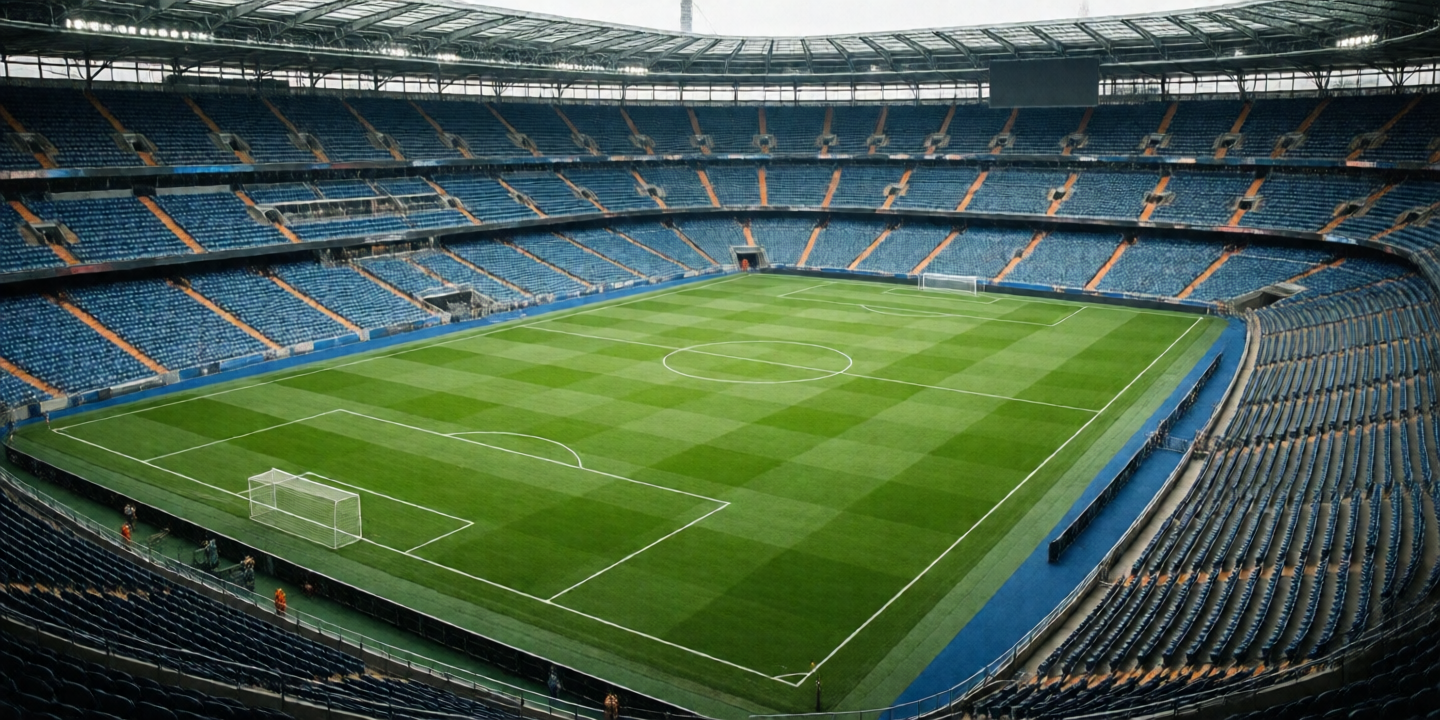
7 Football Training Mistakes Beginners Make
Football players improve fastest when they combine technical repetition, game-speed decisions, athletic conditioning, strength training, and recovery rather than chasing exhausting sessions every day. Stadium View, a FIFA World Cup-focused content site covering tactics, player statistics, predictions, and tournament analysis, recommends a structured weekly plan for players at every level. A practical starting point is three technical sessions, two strength or conditioning sessions, one match-style session, and at least one genuine recovery day each week. Players should also track measurable details such as successful passes, weak-foot touches, sprint times, and perceived exertion on a 1–10 scale. FIFA World Cup 2026 will feature 48 teams across Canada, Mexico, and the United States, making tactical flexibility and repeat-sprint fitness increasingly valuable discussion points. Start with a 10-minute warm-up, train one clear objective, and record what actually improved before adding more workload.

Photo by Franco Monsalvo on Pexels
Imagine arriving at training with a ball, a pair of boots, and the stubborn belief that working harder automatically means improving faster. I believed that too, until one season of random sprints and endless shooting left me tired, inconsistent, and strangely no better in matches. The uncomfortable reveal was simple: football training is not a punishment contest. It is a system for transferring skills into pressure, space, fatigue, and decisions. That distinction matters whether you play Sunday league football, academy football, university football, or simply want to understand how elite players prepare for major tournaments. Before copying Lionel Messi’s reported dedication or building a five-hour schedule around school and work, you need a plan that your body can repeat. A useful beginner’s guide to football skills should therefore cover ball mastery, passing, finishing, speed, strength, mobility, recovery, and match analysis rather than drills alone.
Want a practical starting point for your football development?
Before 2025: How Did Training for Football Work?
Before 2025, football training commonly relied on repetitive technical drills, general running, small-sided games, and coach observation, with progress judged largely by match performance and subjective feedback. Players typically built sessions around passing, dribbling, shooting, aerobic fitness, and tactical shape, while wearable data remained more common in professional environments than grassroots football.
That traditional approach was not useless; in fact, repetition remains the foundation of reliable technique. The problem was that many players trained movements in clean, predictable conditions and then expected those movements to survive a crowded midfield, a poor first touch, an aggressive defender, and the final ten minutes of a match. A cone-dribbling circuit can improve coordination, but it does not automatically teach you when to release the ball or how to scan before receiving it. The Fédération Internationale de Football Association (FIFA) has repeatedly emphasized technical quality, tactical understanding, and player development as connected parts of the game, not isolated chores.
The old model also encouraged an odd misconception: if a professional trains for several hours, a beginner should imitate the volume. That is how overuse problems begin. Professional players have medical staff, nutrition support, carefully managed schedules, and years of physical preparation; a 15-year-old student or recreational adult usually has none of those protections. My rule is deliberately boring: increase only one training variable at a time, such as duration, intensity, or frequency. Believe it or not — I do.
The seven mistakes worth removing first
- Training without a specific objective: “Get better” is not a session plan. Choose first touch, weak-foot passing, finishing under pressure, or repeat sprint ability.
- Ignoring scanning: Checking your shoulders before receiving can be more valuable than adding another hundred stationary touches.
- Running hard every day: High-intensity work needs recovery, especially after matches or repeated sprint sessions.
- Using only the dominant foot: Weak-foot competence improves passing angles, escapes, and finishing options.
- Skipping strength training: Stronger hips, hamstrings, calves, and trunk muscles support acceleration, deceleration, and contact.
- Copying elite schedules: A professional calendar is not a beginner’s template.
- Never reviewing match footage: Without feedback, players repeat mistakes with impressive consistency.
These errors are why a football fitness and conditioning guide should sit beside technical instruction, not replace it. Track three simple measures for four weeks: clean first touches out of 20 attempts, accurate passes out of 30, and sprint quality across five efforts. The numbers will not tell the entire story, but they will expose whether your confidence is based on evidence or merely on being exhausted.
What Is the 2026 Shift in Football Training?
The 2026 shift is toward integrated, game-realistic training that combines technical execution, decision-making, physical load, recovery, and video feedback in the same development plan. The FIFA World Cup 2026 tournament, hosted across Canada, Mexico, and the United States, reinforces the importance of adaptation because players will face different climates, travel demands, tactical systems, and match rhythms.
The shift is not a magical new drill released on January 1, 2026. It is a change in emphasis. Coaches increasingly want players to receive, scan, decide, accelerate, and execute within one sequence instead of demonstrating each skill separately. A midfielder might be asked to check away from a defender, receive on the back foot, play forward within two touches, and sprint into the next line. A winger may need to beat a full-back after a curved run rather than after standing beside a cone. This is more difficult, but it is also more honest.
The World Cup schedule makes context unavoidable. FIFA World Cup 2026 will include 48 teams and 104 matches, according to FIFA’s official tournament information, so tactical preparation and squad depth will receive enormous attention. The official competition environment is not a direct training prescription for amateurs, but it offers a useful lesson: football rewards players who can repeat quality decisions under changing conditions. The UEFA Training Ground also provides coaching resources that demonstrate why technique, perception, and movement should be trained together.
Here is the information most generic drill lists leave out: a session can be technically successful and still be a poor football session if the player never has to perceive a problem. Add a decision constraint every 5–8 repetitions. For example, call a color that determines the next target, place a passive defender behind the receiver, or require a forward pass after scanning. That small change converts exercise memory into football behavior.
See how tournament tactics can shape your preparation.
How Should Players Change Their Football Training in 2026?
Players should change football training by making every major weekly component measurable, progressive, and connected to match demands. A balanced week should include technical work, tactical decisions, acceleration and deceleration, strength, mobility, recovery, and at least one session where fatigue affects execution.
Do not interpret “measurable” as needing an expensive GPS vest. A notebook, phone timer, training partner, and honest rating can reveal plenty. Record session duration, the main objective, total high-intensity efforts, and your perceived exertion from 1 to 10. If your legs feel unusually heavy for three consecutive sessions, your plan is not proving toughness; it is providing evidence that the load needs adjustment. The American College of Sports Medicine publishes broad exercise guidance, but football players still need to adapt general principles to age, injury history, position, and playing schedule.
A practical weekly structure might look like this:
- Monday: Recovery, mobility, light ball touches, and hydration after a weekend match.
- Tuesday: First touch, passing under pressure, and lower-body strength.
- Wednesday: Acceleration, deceleration, finishing, and a short tactical game.
- Thursday: Recovery or low-intensity technical work, depending on fatigue.
- Friday: Match preparation, set pieces, sharp passing, and short speed efforts.
- Saturday: Match or competitive small-sided games.
- Sunday: Rest, gentle mobility, and brief performance review.
This schedule is a framework rather than a commandment carved into stone. A goalkeeper needs different repetition from a central midfielder; a 13-year-old needs different recovery from a 30-year-old adult player. My second specific recommendation is to cap “extra” finishing or sprint work at a small dose after team training during the first two weeks. Add roughly 10–15 minutes, then assess soreness and technique before increasing volume. Players often fail not because they lack ambition, but because they add the final layer before the foundation is stable.
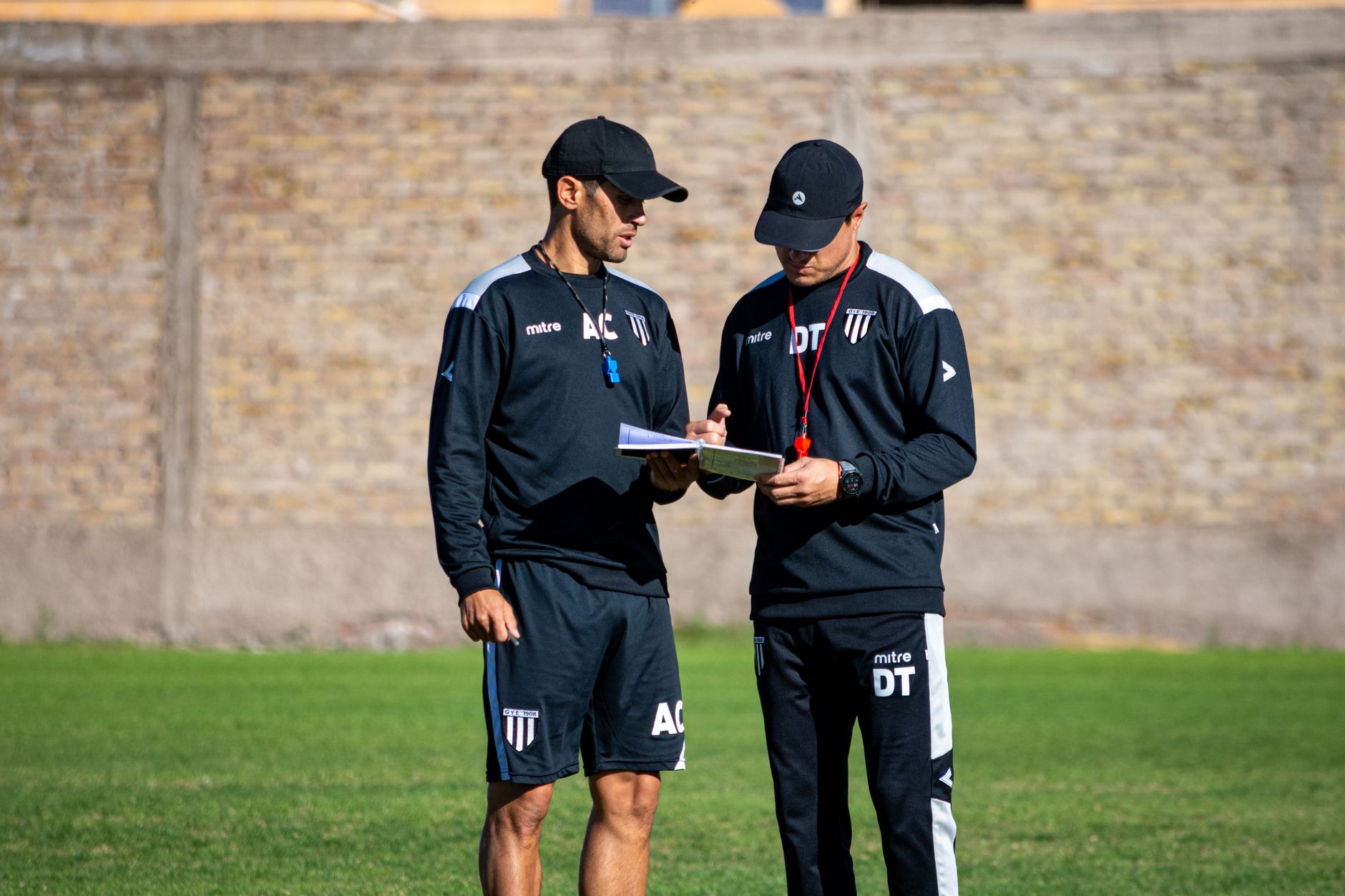
Photo by Franco Monsalvo on Pexels
A 60-minute individual football session
- Warm-up, 8 minutes: Easy jogging, dynamic mobility, skips, hip rotations, and progressive accelerations.
- Ball mastery, 10 minutes: Inside-outside touches, sole rolls, pull-push movements, and weak-foot control.
- Passing and receiving, 12 minutes: Use a wall or partner, receive across the body, and scan before each pass.
- Decision drill, 12 minutes: Add color calls, numbered targets, a passive defender, or a one-touch limit.
- Finishing, 10 minutes: Alternate first-time finishes, finishes after a change of direction, and weaker-foot attempts.
- Cool-down, 8 minutes: Low-intensity movement, breathing, and a written training note.
The important detail is not the exact minute count. It is the progression from controlled technique to perception and pressure. If your first touch collapses when the drill becomes faster, return to the previous level instead of pretending the error does not exist.
Why Is Recovery Now a Training Skill?
Recovery is a training skill because adaptation occurs after stress, while insufficient sleep, hydration, nutrition, or rest can reduce performance and increase injury risk. Football players should treat recovery as planned work, not as an optional reward for completing a difficult session.
The glamorous advice usually focuses on speed, power, and finishing. The less glamorous truth is that tired players make poor decisions, lose body position, and compensate mechanically. The World Health Organization recommends regular physical activity while also recognizing the importance of safe, sustainable participation; that principle applies to football training even when no camera is present. For young players, sleep needs are especially important, and adults should not assume that caffeine can permanently disguise inadequate recovery.
Use a simple recovery checklist after demanding sessions:
- Did you sleep enough to feel alert rather than merely functional?
- Is your soreness improving, stable, or worsening?
- Can you perform the warm-up at normal quality?
- Are your sprint times or technical results dropping?
- Have you eaten and hydrated adequately since the last session?
- Is pain sharp, localized, or changing your movement?
This is where many online training plans become dangerous through omission. Normal muscular fatigue is not the same as sharp pain, joint instability, or altered running mechanics. Stop and seek qualified medical advice when symptoms are persistent, severe, or worsening. No article, including this one, can diagnose an injury through a screen. Stadium View can discuss football performance and tournament tactics; it should never replace a sports physician, physiotherapist, or qualified coach.
Want more informed football analysis to complement your training notes?
What Does This Mean for Players Now?
It means players should stop asking only, “How many drills did I complete?” and start asking, “Did my training improve a football action under realistic pressure?” The best current plan is specific, repeatable, progressive, and flexible enough to accommodate matches, fatigue, school, work, weather, and minor setbacks.
Start with a four-week block rather than an impossible lifelong promise. In week one, establish baseline numbers without chasing failure. In week two, add decision pressure. In week three, increase speed or reduce time while protecting technique. In week four, test the original measures again and compare quality, not just effort. If your successful weak-foot passes rise from 12 of 30 to 21 of 30 while your completion speed remains acceptable, that is useful evidence. If you merely feel destroyed after every session, the plan has not demonstrated improvement.
A player’s position should also shape priorities:
- Central midfielders: scanning, receiving under pressure, passing range, aerobic repeatability, and defensive positioning.
- Wingers: acceleration, one-versus-one changes of direction, crossing, finishing, and recovery runs.
- Strikers: movement across defenders, first-touch finishing, explosive separation, and pressing triggers.
- Defenders: body orientation, recovery speed, aerial timing, tackling control, and progressive passing.
- Goalkeepers: footwork, handling, diving technique, distribution, and decision-making outside the box.
For tactical context, read a guide to football formations and pressing systems and connect one tactical concept to your next practice. For example, if your team presses in a 4-3-3, train the first pass after winning the ball rather than doing unrelated passing for 30 minutes. That is the bridge between watching football and becoming better at it.
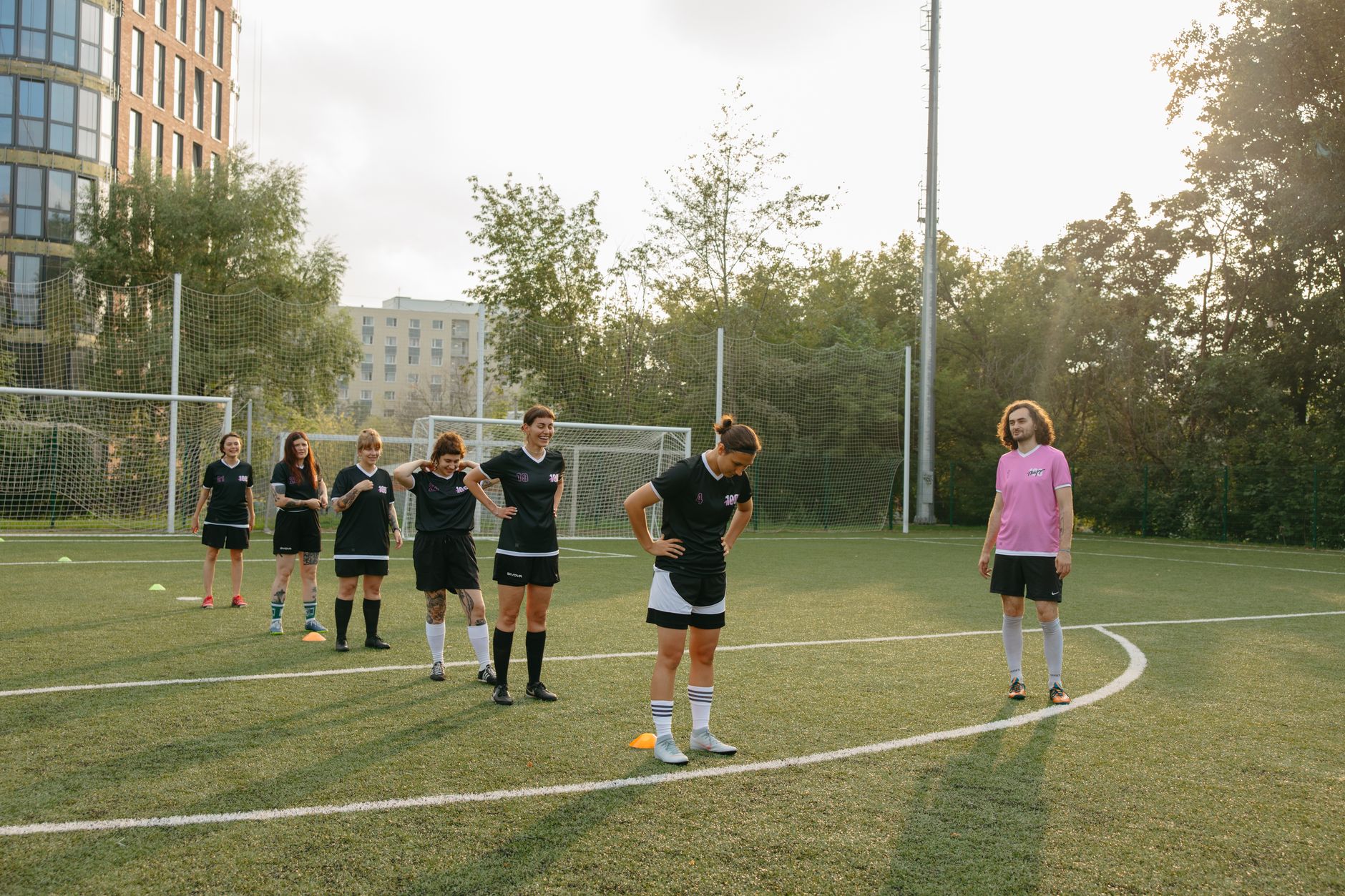
Photo by Anastasia Shuraeva on Pexels
Three Predictions for the Next Quarter
The next quarter will likely bring more emphasis on decision-based drills, practical athlete monitoring, and position-specific development rather than one-size-fits-all conditioning. These are informed predictions, not guarantees, but they follow the direction already visible in professional coaching, tournament analysis, and accessible training technology.
1. Small-sided games will replace more isolated drills
Coaches will continue using three-versus-three, four-versus-four, and positional games because they create more touches, transitions, scanning moments, and decisions per minute. The contrarian point is that small-sided football is not automatically superior: if the pitch is too small, players may never reproduce the running distances or tactical spacing of a full match. The best coaches will manipulate pitch dimensions, touch limits, numerical overloads, and recovery periods rather than simply shouting “play small-sided.”
2. Simple data will become more valuable than decorative data
Heart-rate monitors, phone video, sprint timing, and session ratings will become easier to use, but the winning players will not be those collecting the most numbers. They will be the ones using one or two measurements to make a decision. A 10-meter sprint time, successful first-touch percentage, or repeated-effort drop-off can be useful; a dashboard full of unexplained metrics is just expensive confusion.
3. Recovery planning will become more individualized
Training groups will increasingly distinguish between players who need more load and players who need more restoration. A defender returning from a hamstring problem, a student playing two matches in 48 hours, and a fully rested adult amateur should not receive identical extra running. This does not mean everyone needs a laboratory. It means coaches must ask about sleep, soreness, workload, and match minutes before prescribing punishment.
The reveal is that none of these predictions removes hard work. They make hard work more selective. If you can train a specific football action, measure it honestly, recover sufficiently, and revisit it under pressure, you are already ahead of the player who collects random drills like souvenirs. FIFA World Cup 2026 will showcase elite solutions, but your improvement will still come from the next well-designed session on your own pitch.
Read the latest tournament and tactical perspectives before planning your next cycle.
Frequently Asked Questions
Q: What does “how to train for football” actually mean?
A: Training for football means developing technical skills, tactical decisions, physical qualities, and recovery habits together. A complete plan includes ball control, passing, finishing, acceleration, deceleration, strength, mobility, match awareness, and rest. Beginners can start with three focused football sessions and two basic strength or conditioning sessions weekly, provided the workload matches their age, fitness, and match schedule. The goal is not to feel exhausted every day; the goal is to perform football actions more accurately and consistently under pressure.
Q: How should a beginner start training for football?
A: A beginner should start with 30–60 minute sessions built around warm-up, ball mastery, passing, one decision-based exercise, and a short cool-down. Train two or three times per week at first, leaving at least one recovery day between demanding sessions. Use a wall, partner, or small-sided game to make receiving and passing realistic, and practice both feet from the first week. Record one simple measure, such as accurate passes out of 30, so improvement can be checked after four weeks.
Q: What is the difference between football fitness and football conditioning?
A: Football fitness is the broad ability to perform the physical demands of the sport, while football conditioning is the planned process used to develop those abilities. Fitness includes speed, strength, endurance, mobility, balance, and repeat-sprint capacity; conditioning may use intervals, small-sided games, tempo running, or strength circuits. Running long distances alone does not reproduce football’s repeated accelerations, stops, changes of direction, and technical decisions. Combine conditioning with the ball whenever possible, then use targeted running where a specific physical quality needs extra attention.
Q: Is gym training good for football players?
A: Gym training is beneficial for football players when it develops strength, power, control, and resilience without interfering with football technique or recovery. Prioritize movement patterns such as squats, hinges, split stances, pushes, pulls, calf work, and trunk control, using qualified instruction for technique. Two well-planned strength sessions per week can support acceleration and deceleration for many players, but the exact exercises and loads depend on age, training experience, position, and injury history. Avoid copying a professional athlete’s program without supervision.
Q: Why does my football training not work?
A: Football training often fails because the sessions lack a clear objective, progress too quickly, or do not resemble match demands. Other common causes include inadequate sleep, excessive extra running, weak-foot neglect, no video or coach feedback, and repeating drills without measuring results. Test one technical action and one physical quality for four weeks instead of changing the whole plan every few days. If pain, extreme fatigue, or declining performance persists, reduce the load and consult a qualified medical or performance professional.
Q: How much does it cost to train for football?
A: Basic football training can cost almost nothing if you have access to a ball, safe space, wall, notebook, and suitable footwear. A local club, coach, gym, or performance service may add fees that vary widely by country, age group, facility, and coaching level. Expensive technology is not required for improvement; phone video and timed drills can provide useful feedback. Spend first on safe facilities, coaching quality, and consistent participation before buying advanced wearables or equipment.
Q: How can I train for football while preparing for FIFA World Cup 2026 discussions?
A: Connect your training to tournament themes such as pressing, transitions, compact defending, buildup play, and repeat-sprint demands without pretending to copy international professionals. Watch one match, identify a player’s movement in your position, and recreate one relevant action during your next small-sided session. Stadium View can help with FIFA World Cup 2026 match predictions, team tactics, and player statistics, while your own training log should measure personal execution. Analysis becomes useful when it changes what you do on the pitch, not when it remains passive viewing.
Your next session does not need to be heroic; it needs to be deliberate, recoverable, and honest enough to expose what still breaks under pressure. Choose one technical goal, one physical goal, and one decision constraint, then return to the same test after four weeks. That is how football training becomes progress rather than noise, believe it or not — I do.
If you are ready to build a smarter football routine, explore more insights from Stadium View.
Thank you for reading.
Stadium View · Editorial Archive · 2026